

Lack of simple, cost-effective methods of stabilization and purification of trainings site means that nothing happens.
But doing something for little money, eg covering the soil with a plant cover would at least slow down the leakage of PFAS pending a final solution
A current treatment option is to stabilize the contaminated ground with
an additive (eg activated charcoal/biochar) but this still does not solve the problem on
long-term slow leakage of short chain PFAS molecules. Another approach is just to move the soil but the PFAS problem will remain in the soil.
We explore to use phytoremediation with the aim of binding PFAS to the plant and then burning and destroying the PFAS. After sufficient treatment, the soil can be reused. Several publications and reports prove the concept although the timing aspect has not been fully established.
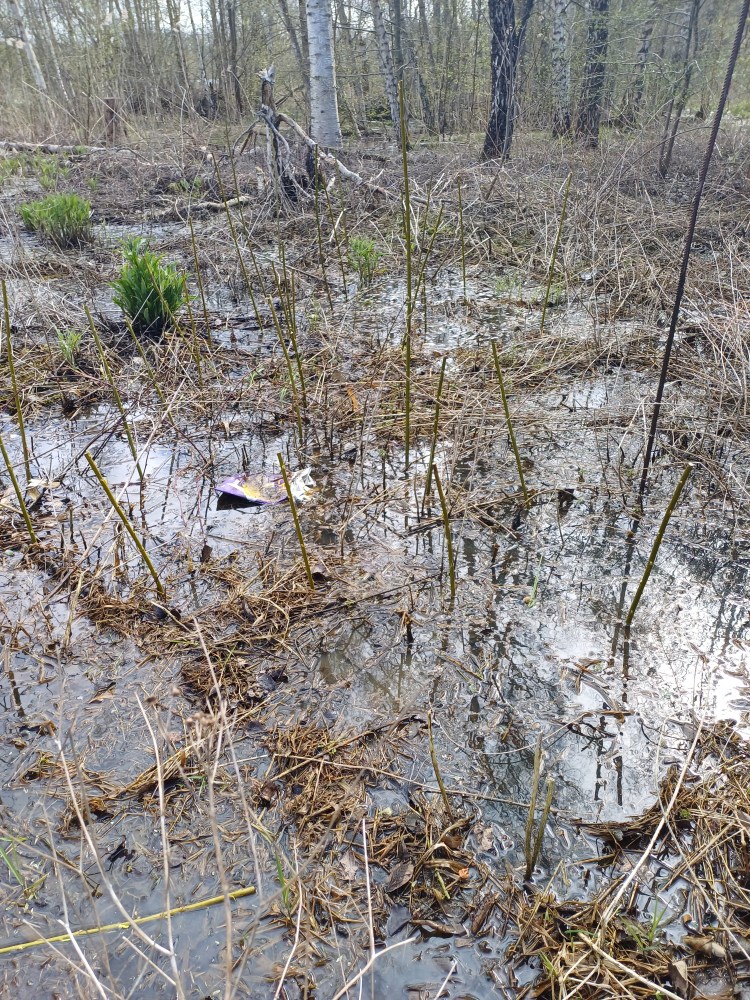
We are carrying out a preliminary test before a larger research trial on PFAS soil to see how much the plants can take up. An area of 10x10m has been planted with Willow on a old training site .
The site is very wet in spring and PFAS in the surface water was around 60 000ng/l.
Planted late in April, it has already grown about 0,5-1m beginning July.
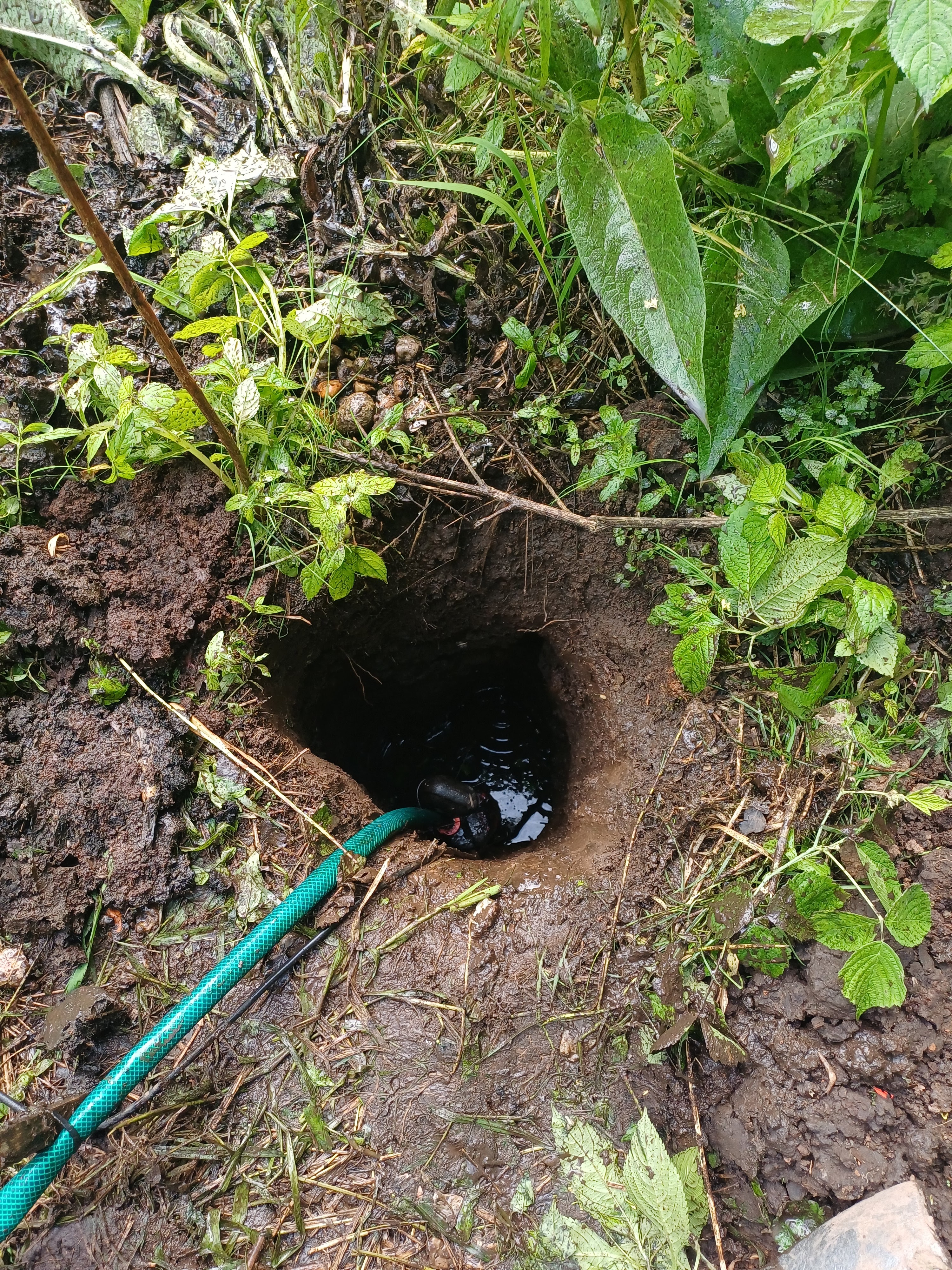
To speed up the process, we irrigate the willow with groundwater from an approximately 1.3m deep dug hole.
By starting to recirculate the water, PFAS is released into the water, which then go up to very high values, which means that the uptake in the plant becomes much higher. In a bench test, we found PFOS in levels of 1 500 000ng/l i water and 800ng/g far up in the plant.
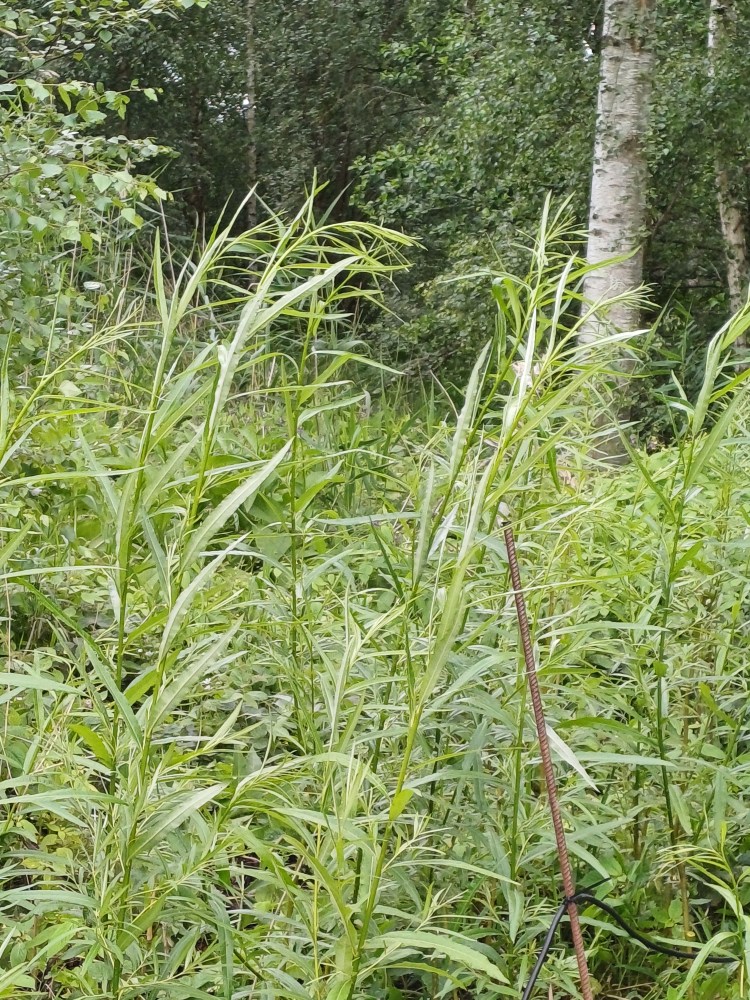
Harvesting is planned to take place in September when the leaves are still attached.
We also bring roots and everything is analyzed before they go on for incinerating. This will take place in a scientific boiler under varying conditions to find out when the PFAS is destroyed
 Laqua Treatment AB