“Fyto-PFAS”: New Approaches to Groundwater Safety

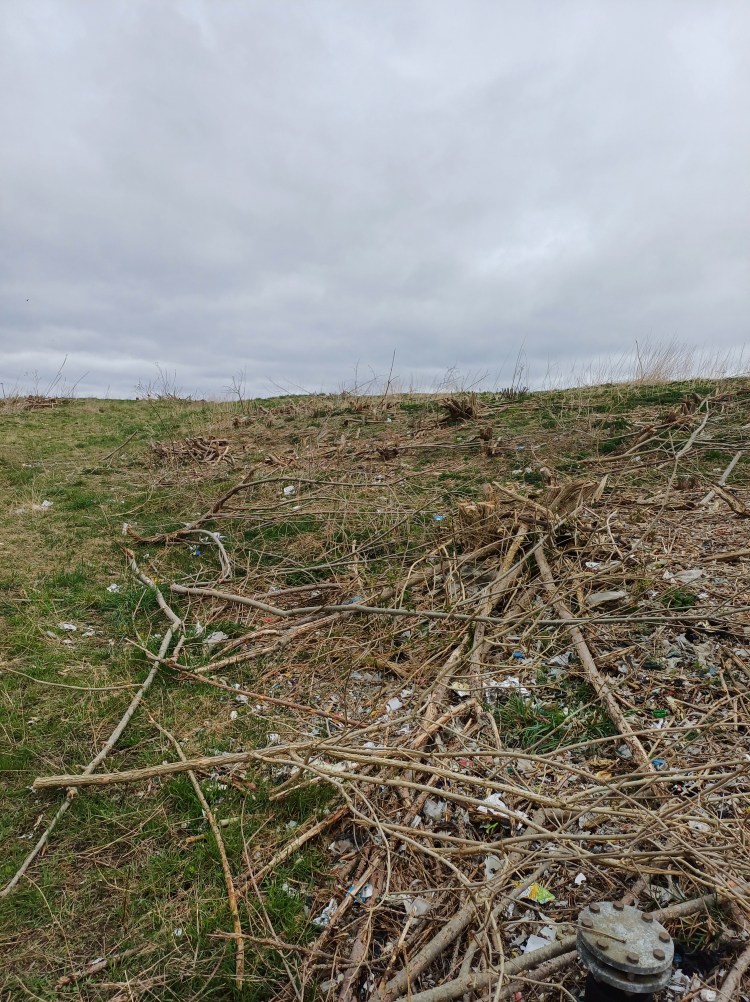
Still a decade from the first alarm of PFAS reaching and contaminated drinking water nothing have happens with the source of contaminating. Fire practices sites scattered around Sweden and rest of the world is still open to weather. Witch slowly wash out the PFAS into the groundwater and threatens our drinking water.

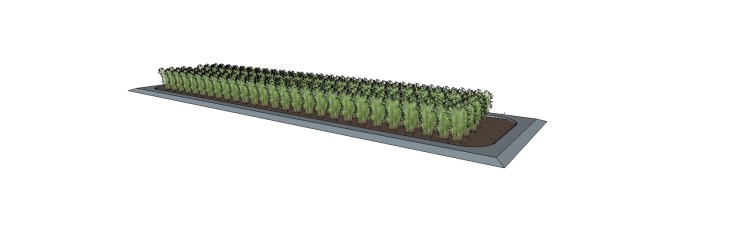
“Fyto-PFAS” is a attempt to address this problem. By establish a cap with growing Willow witch reduce the amount av rain water reaching the PFAS and slowing down the leaching. Combing with pumping up groundwater from the plume, treat it by foam fracturing and irrigate the treated water onto the willow we will empty the soil from PFAS. Foam fracturing remove the long chain and willow the short chain and the willow also stabilize the soil by transport carbon into the soil.

This is a cooperation between Uppsala University, Högskolan Kristianstad, Räddningstjänsten Kristianstad and Laqua treatment.

Today we was on the hot spot in Kristianstad to collect some samples to confirm we have soil with high contains of PFAS (5000ng/g Ts) for our upcoming trials.

We will put up pilots with different treatments trains, more info will follow.

Read more below:

UPDATE: Pyto remediating of PFAS training site with figures

Now we have some preliminary results from this small non scientific trial using phytoremediation showing a uptake of 15-30mg/ha/year.

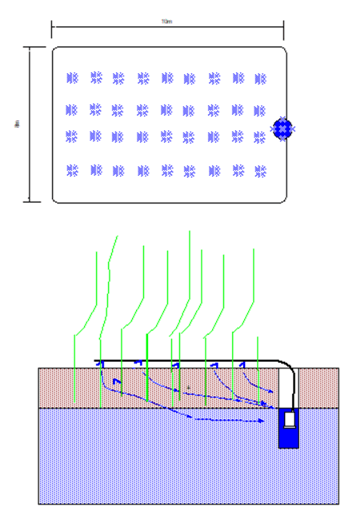
We use a simple “pump and treat” by recirculate a groundwater over a plot 80m2 planted with willow. The total Pfas in the recirculated water was about 300 000ng/l in the start and over the summer it reduce to 200 000ng/l.

During the summer a submersible pump irrigated the experiment every two hours with 2-3 mm of contaminated groundwater. The large amount of irrigation water has a “washing” effect on the soil and brings the Pfas to the roots of the willow

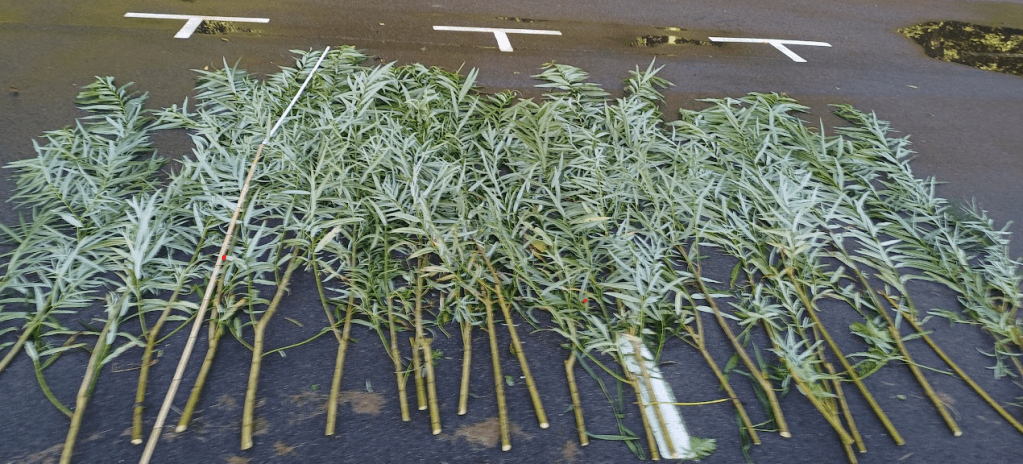
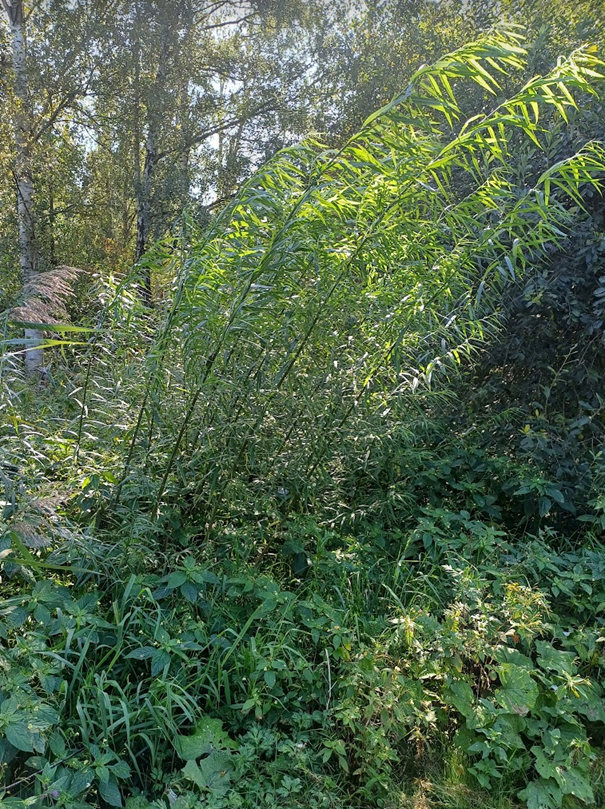
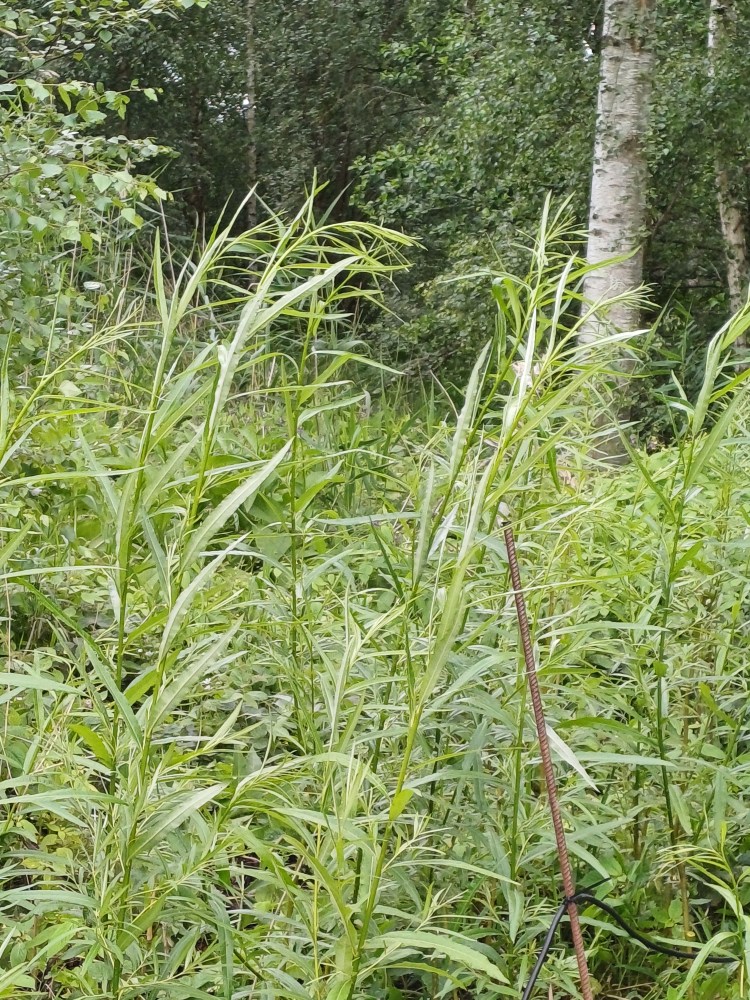
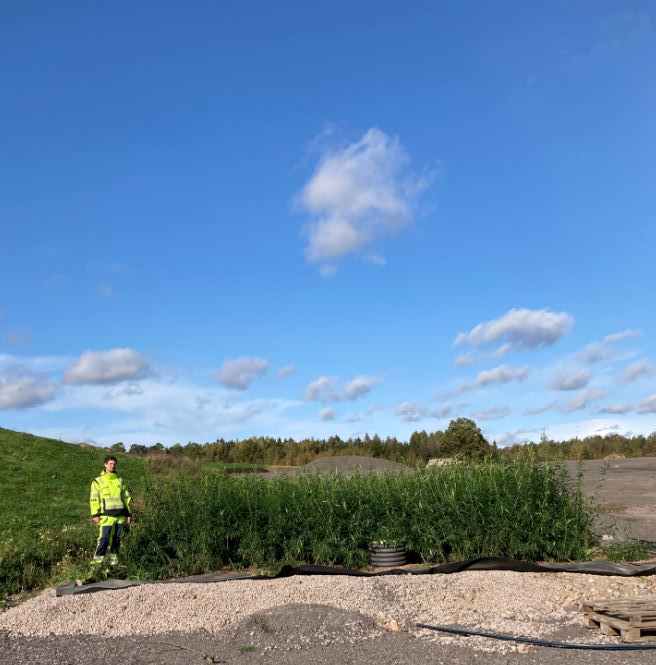
In September when the leaves still was attached the willow was harvested and had now grow up to 4m.

Analyses of the mixture of stem branches and leaves indicates an uptake of approx. 1500ng/g pfas mostly 6:2 FTSA but also high levels of Pfos. This gives an uptake of approx. 15-30g pfas/ha/year
Next step is to incinerate in a scientific boiler to find out if the Pfas is total destroyed or there do they end up.

UPDATE: Pyto remediating of PFAS training site

Now we have some preliminary results from this small non scientific trial using phytoremediation showing a uptake of 15-30mg/ha/year.

We use a simple “pump and treat” by recirculate a groundwater over a plot 10x10m planted with willow. The total pfas in the recirculated water was about 300 000ng/l in the start and over the summer it reduce to 200 000ng/l.

During the summer a submersible pump irrigated the experiment every two hours with 2-3 mm of contaminated groundwater. The large amount of irrigation water has a “washing” effect on the soil and brings the Pfas to the roots of the willow

In September when the leaves still was attached the willow was harvested and had now grow up to 4m.

Analyses of the mixture of stem branches and leaves indicates an uptake of approx. 1500ng/g pfas mostly 6:2 FTSA but also high levels of Pfos. This gives an uptake of approx. 15-30g pfas/ha/year
Next step is to incinerate in a scientific boiler to find out if the Pfas is total destroyed or there do they end up.

Pyto remediating of PFAS training site

Lack of simple, cost-effective methods of stabilization and purification of trainings site means that nothing happens.
But doing something for little money, eg covering the soil with a plant cover would at least slow down the leakage of PFAS pending a final solution

A current treatment option is to stabilize the contaminated ground with
an additive (eg activated charcoal/biochar) but this still does not solve the problem on
long-term slow leakage of short chain PFAS molecules.   Another approach is just to move the soil but the PFAS problem will remain in the soil.

We explore to use phytoremediation with the aim of binding PFAS to the plant and then burning and destroying the PFAS. After sufficient treatment, the soil can be reused. Several publications and reports prove the concept although the timing aspect has not been fully established.

We are carrying out a preliminary test before a larger research trial on PFAS soil to see how much the plants can take up. An area ​​of 10x10m has been planted with Willow on a old training site .

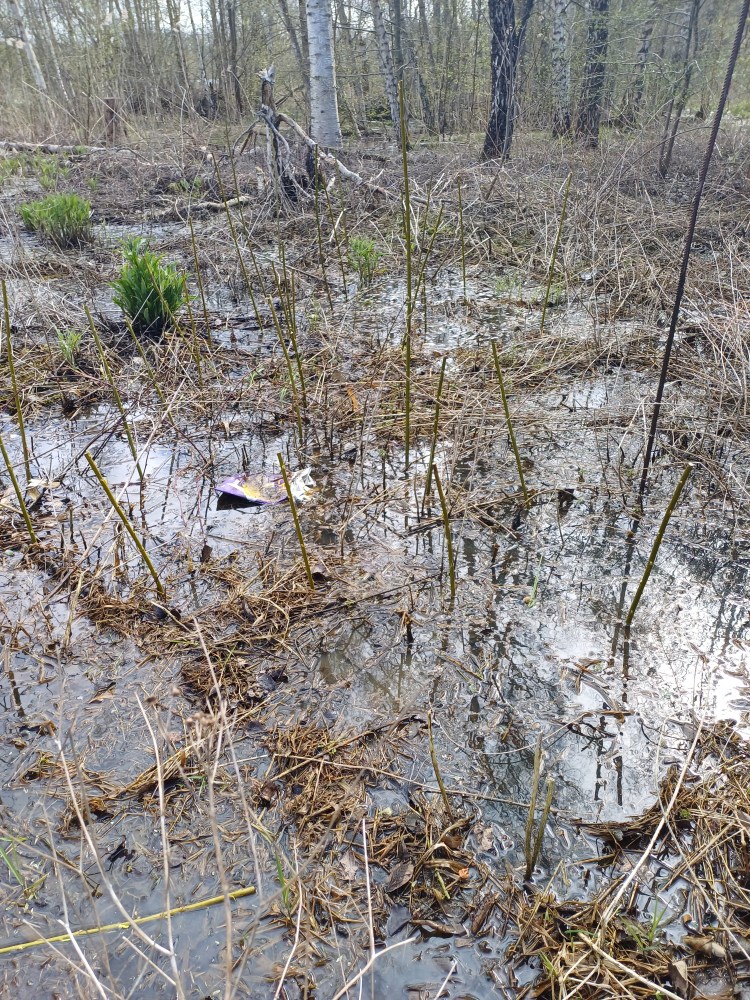
The site is very wet in spring and PFAS in the surface water was around 60 000ng/l.

Planted late in April, it has already grown about 0,5-1m beginning July.

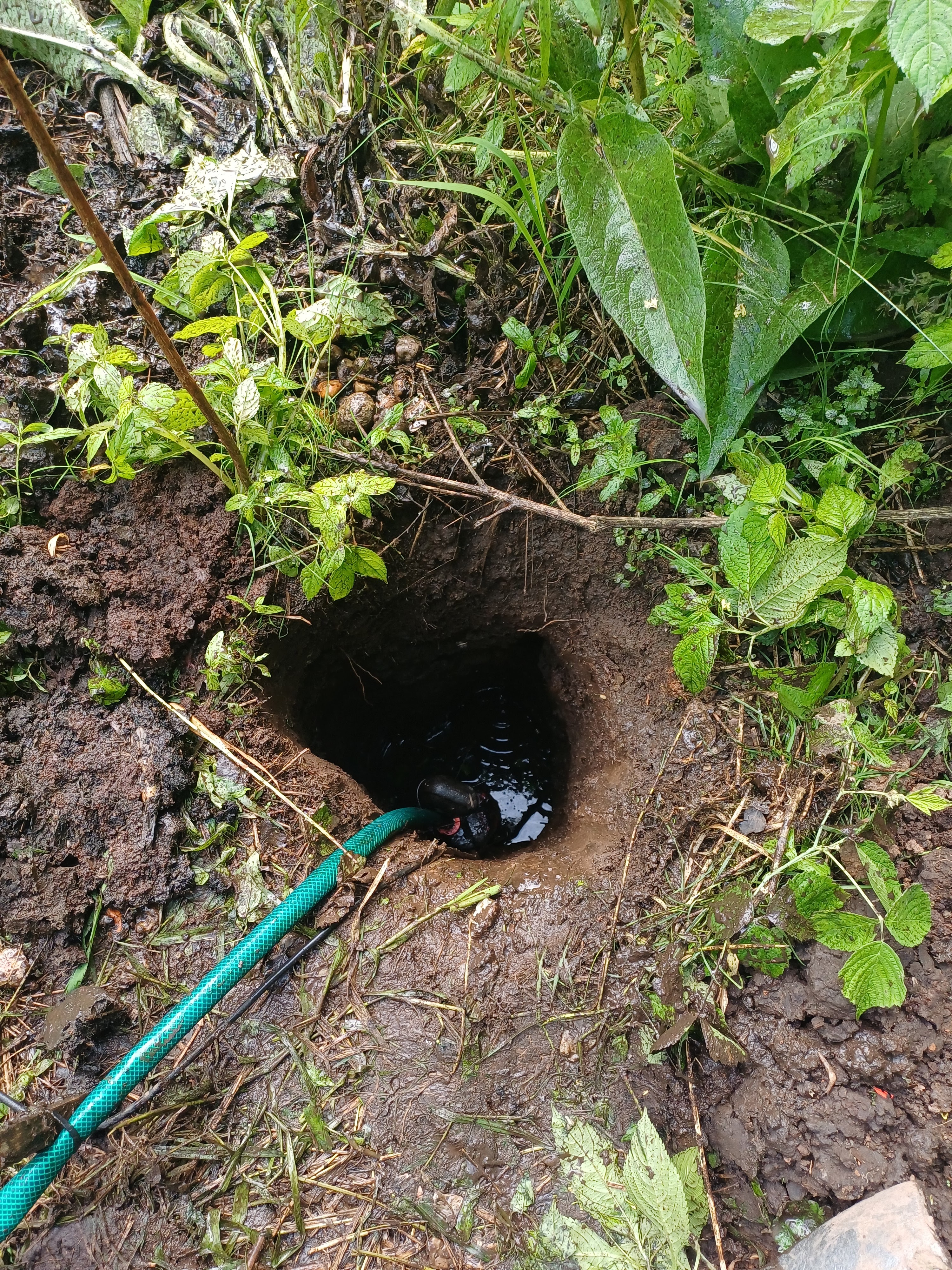
To speed up the process, we irrigate the willow with groundwater from an approximately 1.3m deep dug hole.

By starting to recirculate the water, PFAS is released into the water, which then go up to very high values, which means that the uptake in the plant becomes much higher. In a bench test, we found PFOS in levels of 1 500 000ng/l i water and 800ng/g far up in the plant.

Harvesting is planned to take place in September when the leaves are still attached.
We also bring roots and everything is analyzed before they go on for incinerating. This will take place in a scientific boiler under varying conditions to find out when the PFAS is destroyed

Efterlysning: Ni med avloppsproblem

Vi har kanske lösningen……… Inom JBV projektet Ökad Energiskogsodling genom Samverkan från Producent till Användare” har vi möjlighet att utan kostnad göra förstudier på en Cirkulär Avloppslösning där näringen används för gödsling av energiskog tex Salix, Poppel, Hybrid asp mm.

I ett tidigare JBV projekt hittade vi lösningen för Björnekulla Foods AB i Svalöv. Hela verksamheten hotades av nedläggning/flyttning när Svalövs Kommuns reningsverk inte längre kunde ta emot Björnekullas processavloppsvatten med motiveringen att kapacitet saknades.

Att använda Fytoremediering, låter man växter rena avloppsflöden vilket har börjats användas i Sverige/Europa på allvar de senaste 20-30 åren. Speciellt inom deponier för rening av lakvatten är lösningen populär. Också när det handlar om tillfälliga behov att avlasta befintliga reningsverk tex populära turistort när en ökad belastning inträffar under växtsäsong.

Listan kan göras lång så låt oss titta på era problem och se om växter kan vara en lösning.

Kontakt oss och låt oss diskutera era problem samtidigt som värdefulla resurser i form av vatten, näring kommer tillbaka till naturen

← Back

Thank you for your response. ✨

Test of firestation washwater with bio-char

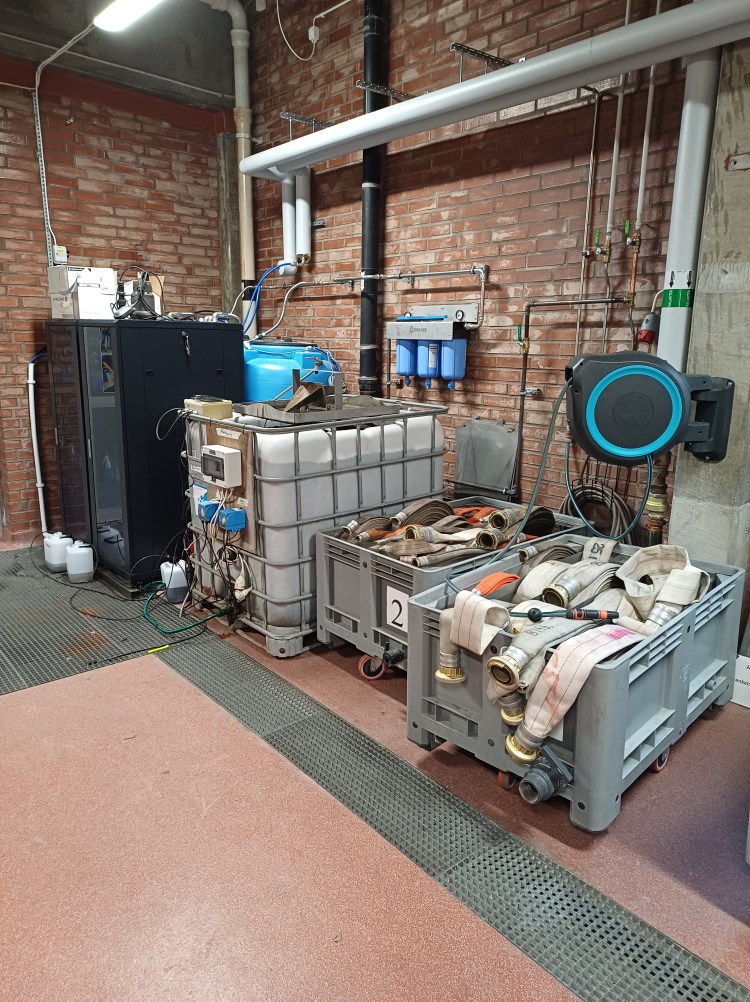
After a call-out and returning to the station, hoses and equipment must be washed and uniforms wash and re-imprinted before the next call-out.

The washing water can then contain all kinds of pollution’s ranging from un-burned fuels, soot, heavy metals and a cocktail of organic residues including Pfas. Analysis levels of Pfas 11 could bee around 300ng/l.

This water then goes to the municipality’s sewage treatment plant and in the worst case can interfere with the treatment but also contaminate the sludge and most of the PFAS goes on uncleaned.

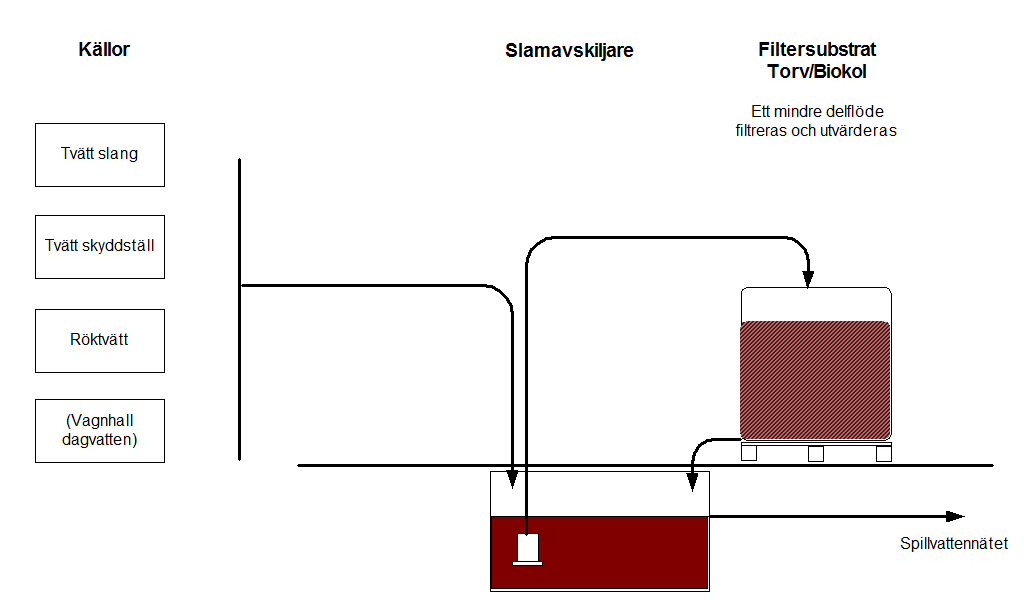
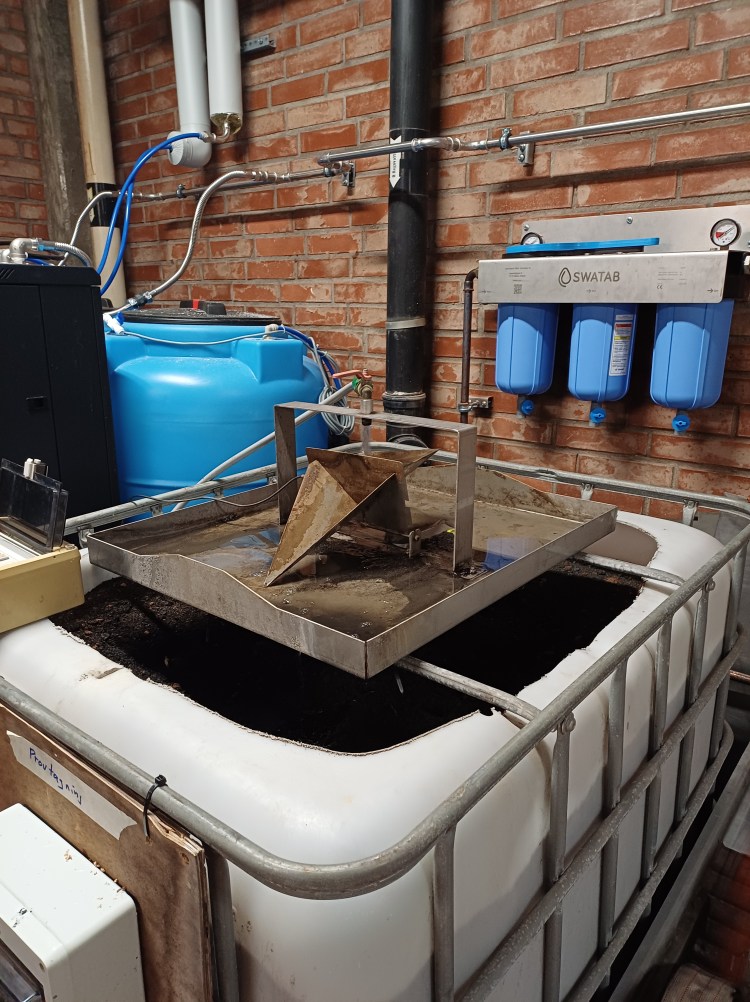
Cleaning at the source would be preferable. A simple method we now are testing is to filter the washing water through a Laqua Filter at the fire station.

Since November, a pilot has purified a partial flow of the washing water before it went to the waste water network

Bio-char and peat appear to be as effective as activated carbon, where the peat functions as an ion exchang but also initiates a biological breakdown of the organic pollutants

A first analysis of the cleaning ability will come soon. Other trials with biochar have shown reductions in Pfos of 90% and Pfas 11 of 82% in the line of activated carbon. Bio-char are a cheaper and more environmental chose comparing with activated carbon.

Leachate treatment with Poplar

In Sweden, Salix (Willow) is ​​a popular method for treating leachate. But Salix in principle requires flat arable land for a good establishment but also to be able to be rationally harvest by machine.

Many of today’s Salix plantations on and around a landfill do not meet the cultivation’s requirements, which is why the maintenance tends to be mismanaged and harvesting does not take place at the 3-4 year intervals required to be an effective purification step.

By planting a crop that does not need to be harvested more than every 10-15 years and with conventional forest machines would provide significantly better cultivation and reduced costs. Planting on an old landfill is in principle impossible with Salix, which requires a lot of chemical weed control and hand planting.

Could planting with 2m poplar shoots be established directly without any intercession?

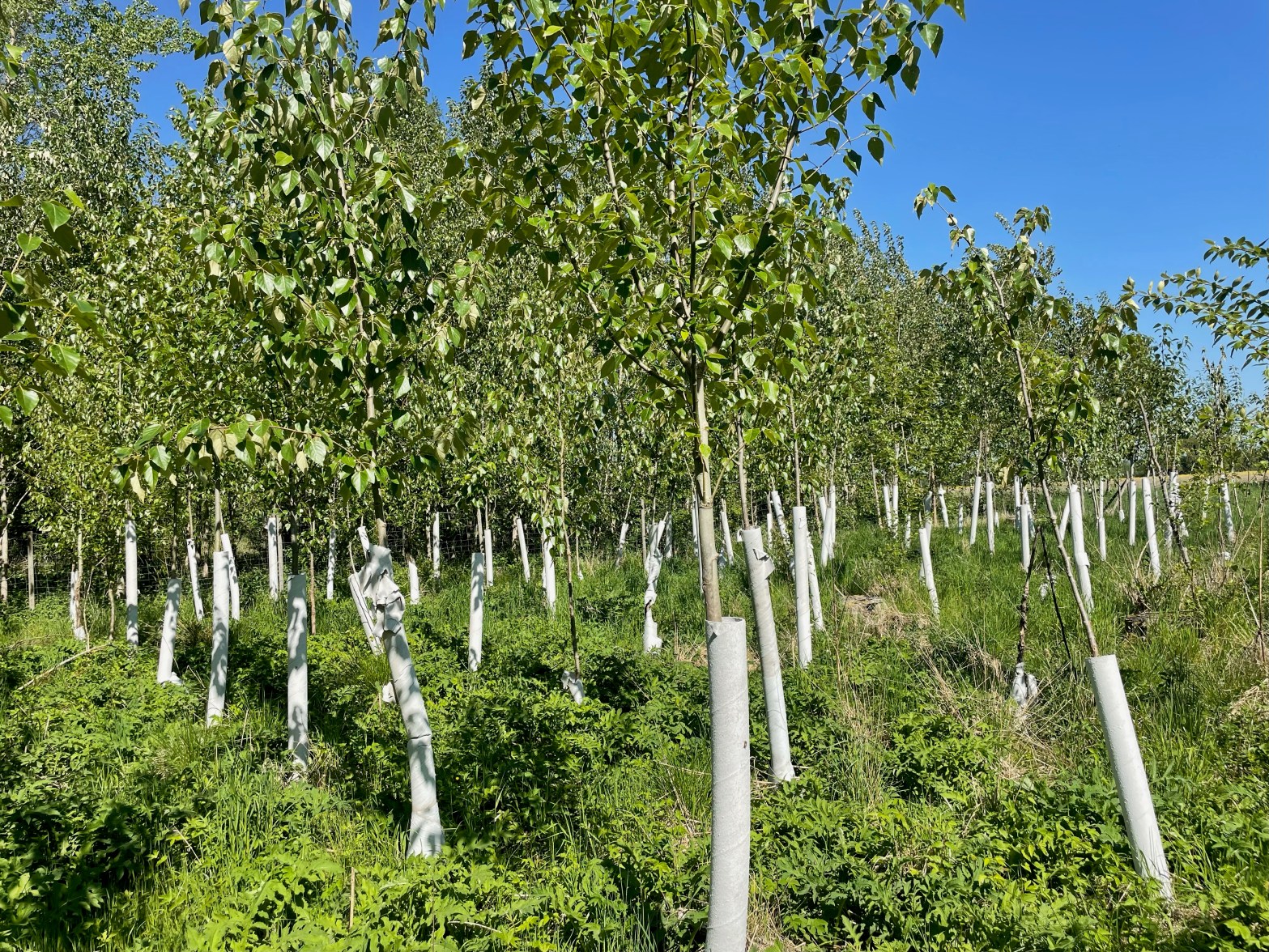
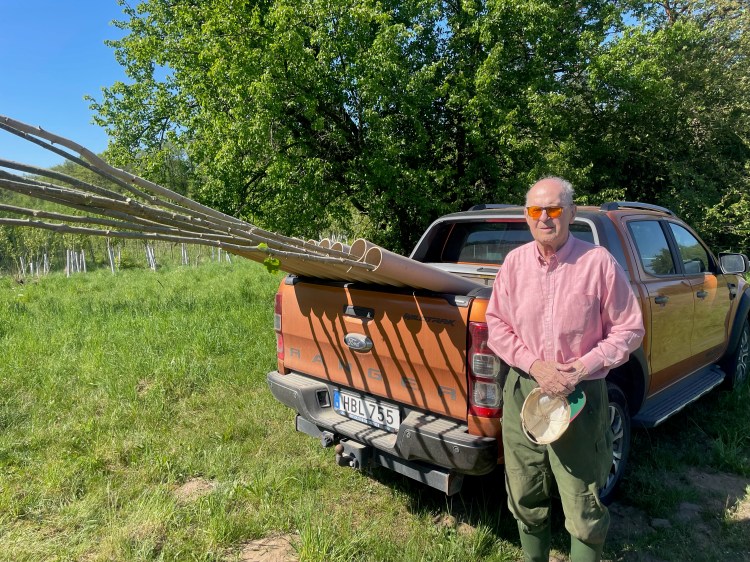
“Mr Poplar” Lars Cristersson has been willing to assist with knowledge and planting material and is convinced that even on a wild landfill it would be possible if they were planted 1m deep. Completed with stem protection, it is clear of both competition from weeds and animals.

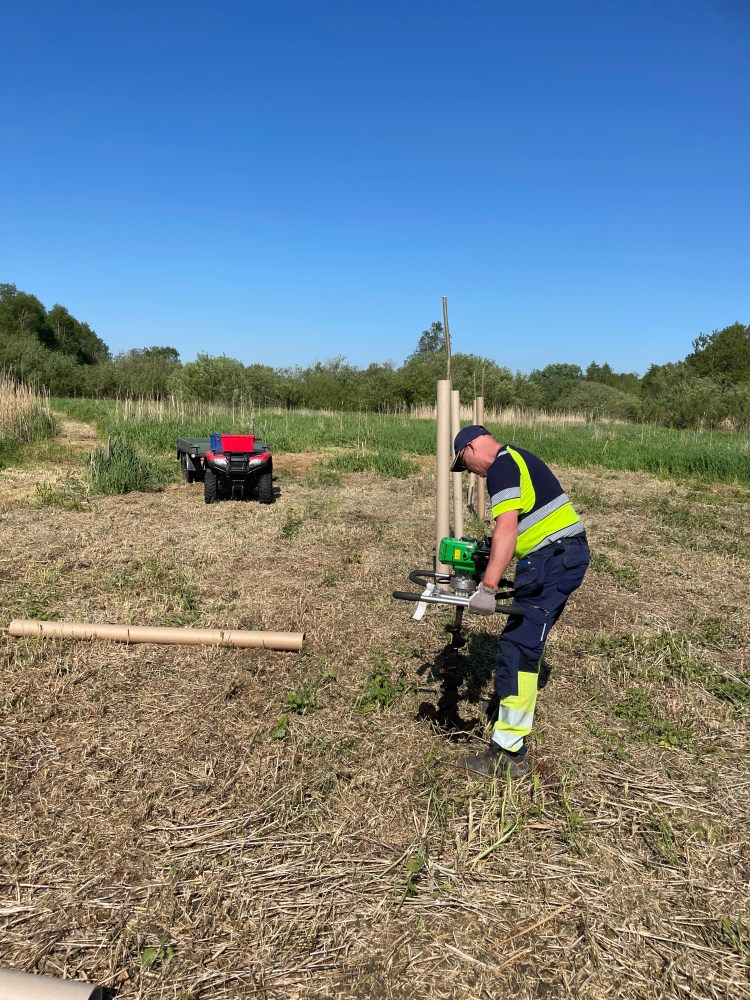
To prove the thesis, poplars have been planted at Merab’s Rönneholm landfill outside Eslöv. With an earth auger, it comes down to a depth of 1 m in pattern of 3x3m, which can be adjusted to 2×4.5m to fit irrigation. Poplar is almost as effective as Salix on growth but many times better than a poor Salix cultivation and will not need as much maintenance. We will come back and tell you how the cultivation is progressing.

The cultivation is irrigated in the same way as Salix, for example with LWIS.

The trial is conducted within a project “Ökad Energiskogsodling genom Samverkan från Producent till Användare”

Project homepage

New start for Energy forestry

Increased willow production through cooperation from producer to user

Agricultural land not suitable/needed for growing food or fodder can be used for energy production, e.g. energy forest, but agriculture’s interest in this has decreased in the last 20 years. Recently the situation has turned to a fuel shortage. An organized cooperation between the actors is required. In a perfect market the balance between supply and demand resolves itself but the energy forestry industry has largely disappeared with a few local exceptions. The project will establish this collaboration in one or a few places and spread information to the actors about the possibilities. 

The aim is also to involve agriculture in waste management using technology for irrigating energy forests with wastewater. Through the project we hope to establish an interest in this with one or more wastewater producers.

Participants and their contact information are listed above.

The project is partly financed by EU via the Swedish Board of Agriculture and will be carried out during 2024-2026.