
PFAS, or per- and polyfluoroalkyl substances, are synthetic compounds with wide industrial applications commonly associated with contamination in water sources and soil. Purification method’s designed to remove PFAS from water typically employ various methods such as activated carbon filtration, ion exchange, reverse osmosis, Saff and advanced oxidation processes but it comes with a high cost.
To address PFAS contamination effectively, it’s crucial to consider a combination of treatment technologies tailored to the unique properties of the pollutants and the requirements of the local environment. Ongoing research and development in the field of PFAS remediation are doing promising improving of efficiency and sustainability.
Phytoremediation is a collective term for various ways of decontaminating contaminated soil, water and air with the help of plants. Using plant’s abilities to extract, stabilize or degrade pollutants are the future, if you have the patients to wait, since plant’s is’t a quick fix
There are a significant number of studies showing that plants can extract and accumulate PFAS. Perfluorinated carboxylic acids (e.g. PFOA) with 3-11 carbons and perfluorinated sulfonic acids (e.g. PFOS) with 4-10 carbons are the compounds that have been studied most frequently. The distribution of PFAS in plants has also been shown to relate to chain length. Long-chain PFAS accumulate mainly in roots, while short-chain ones have a greater tendency to be transported upwards in parts of the plant above ground.
PFAS, or per- and polyfluoroalkyl substances, pose significant challenges when present in soil. The most common method is excavation where the soil is either deposited or soil washed a very costly way and in most cases just move the problem.
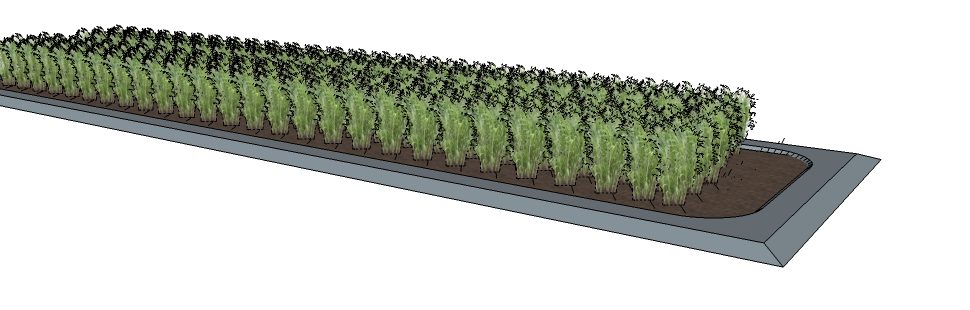
Pfas in Water
Using filtration ec The Laqua filter has a lot in common with an activated carbon filter when it comes to capturing long Pfas, but also work as a pre-filter before more advanced treatments.
Using plants ec Willow, Hemp , grass is found to be effective and using Laqua Hybrid filter is a optimizing controlled new way
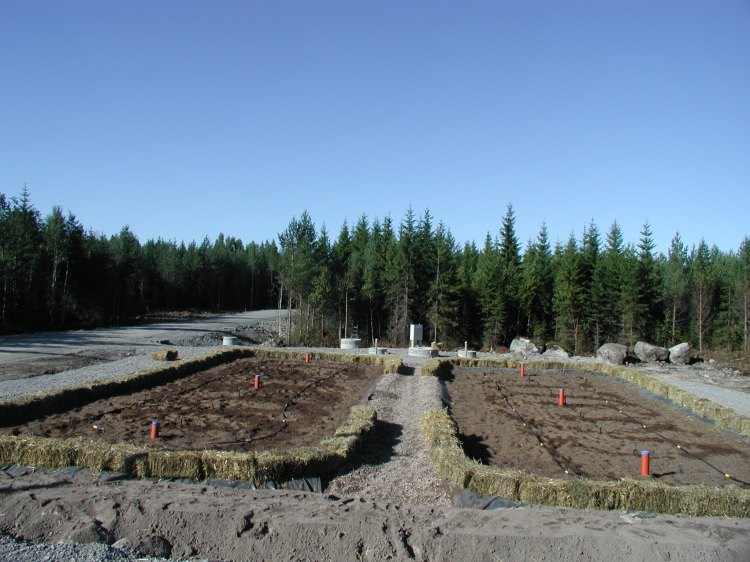
Pfas in Soil
Phytoremediation, a bioremediation process utilizing plants to remove, transfer, stabilize, and/or destroy contaminants in soil, offers a promising approach for PFAS (per- and polyfluoroalkyl substances) remediation. Utilizing plants such as Willow and Hemp has been found to be effective in absorbing PFAS from soil.
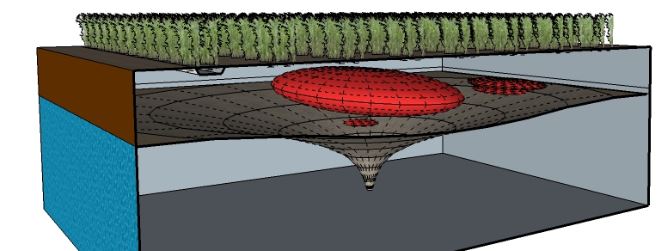
Ongoing Research and Development
Continued research and development in the field are essential for enhancing the efficiency and sustainability of purification plants, which are crucial for mitigating the risks associated with these persistent compounds and safeguarding environmental and human health.

To learn more about PFAS phytoremediation and related solutions, Life-source. For additional information and offers, you can also explore here.
 Laqua Treatment AB